%202_e.png)


The Future of Cancer Therapy: Targeting Mitochondrial Transfers for Effective Treatment

By Duru Develioglu,
The Lawrenceville School, NJ
Treating cancer has remained a difficult field for a number of years, with a focus on radiation and chemotherapy but now there is a developing area of treatment that targets mitochondrial transfers. Tumors don’t just consist of transformed cells but are also interwoven with health cells in the tumor microenvironment; these transformed cancer cells can actually steal the mitochondria of these healthy cells to keep themselves strong while also harming the function of the targeted organ (Marabitti). This transfer of the healthy mitochondria of one cell to the cancer cell is what results in a resistance to treatment. What exactly is the mitochondria though? It is a membrane-bound cell organelle that generates most of the chemical energy that is needed in order to power the biochemical reactions of the cell. The mitochondria produces chemical energy (ATP) which it stores in a small molecule (NIH). Cancer cells hijack the mitochondria with the use of tunneling nanotubes which deprive immune cells of their mitochondria which inhibits their activation and keeps the function of the cancer cells thriving (Marabitti). This is the reason the immune system cannot fight against cancer cells in the tumor microenvironment and why there are poor outcomes when targeting these cancer cells in clinics (Marabitti).

Intercellular communication generally occurs between signaling molecules that reach target cells via diffusion, blood circulation, direct contact, or intercellular junctions (Su). In this case, mitochondrial transfers are the direct transfer of the mitochondria of a healthy cell to a cancer cell using TNT. This is instead of just general signaling communication, it contains a physical aspect.
Mitochondria not functioning like normal can cause retrograde signaling pathways and mitochondrial stress response pathways such as mtUPR and ISR to promote cancer progression (Wang). This means that the mitochondria is not working as it used to do which will cause this cancer progression to become deadly. The function of the mitochondria is also essential in order to regulate the function of immune cells (Wang). These changes in the mitochondria as well as changes in energy metabolism lead to the immune cells in your body not being able to carry out their anticancer capabilities (Wang). By targeting the mitochondria and metabolism in future treatment this will be able to improve the current strategies and the future of cancer immunotherapy.
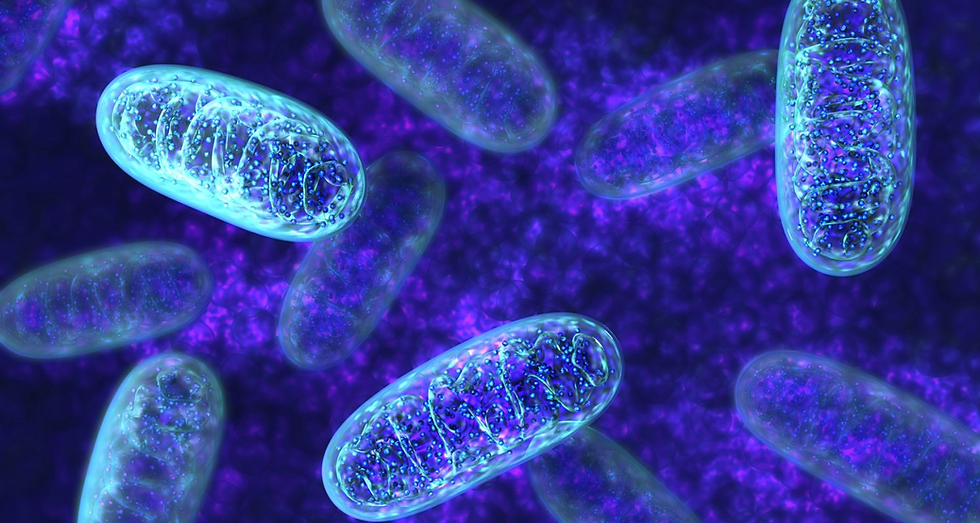
The transfer of the mitochondria of healthy cells to the cancer cells allows for tumor progression but are also able to process metabolic compounds from several pathways through the TCA cycle (Ghosh). The TCA cycle must be regulated in order for the maintenance of cancer cells and is always in communication and feedback with OXPHOS (Ghosh). OXPHOS is short for oxidative phosphorylation and is a cellular process involving the generation of high energy phosphate bonds through harnessing a reduction of oxygen and this energy is in the form of adenosine triphosphate also known as ATP (Deshpande). So, going back to how OXPHOS is used in the TCA cycle, it provides building blocks for anabolism and this cycle makes it so that many substrates can feed into it which makes it an epicenter in cell metabolism (Ghosh). Human Cancer mutates multiple enzymes of the TCA cycle such as aconitate hydratase, isocitrate dehydrogenase, fumarate hydratase, succinate dehydrogenase, and the alpha-ketoglutarate dehydrogenase complex which are all mitochondrial enzymes (Ghosh). By targeting this disruption of the TCA cycle which is able to fight off these cancer cells and elevate your energy levels, immunotherapies, cancer treatments, and strategies will now be able to target this disruption. It was not known for quite some time but looking to the future, there can be treatments that specifically target this stealing of mitochondrial cells from healthy cells to cancer cells and the cellular events that follow due to this that lead to terminal diagnoses.
Citations:
Deshpande, Ojas A. "Biochemistry, Oxidative Phosphorylation." StatPearls, U.S. National Library of Medicine, July 31, 2023. https://www.ncbi.nlm.nih.gov/books/NBK553192/.
Ghosh, Poorva, et al. "Mitochondria Targeting as an Effective Strategy for Cancer Therapy." International Journal of Molecular Sciences, U.S. National Library of Medicine, May 9, 2020. https://pmc.ncbi.nlm.nih.gov/articles/PMC7247703/.
Marabitti, Veronica, et al. "Mitochondrial Transfer as a Strategy for Enhancing Cancer Cell Fitness: Current Insights and Future Directions." Pharmacological Research, Academic Press, August 30, 2024.
National Institutes of Health (NIH). "Mitochondria." Genome.Gov, February 9, 2025. https://www.genome.gov/genetics-glossary/Mitochondria.
Su, Jimeng, et al. "Cell–Cell Communication: New Insights and Clinical Implications." Nature News, Nature Publishing Group, August 7, 2024. https://www.nature.com/articles/s41392-024-01888-z.
Wang, Sheng-Fan, et al. "Role of Mitochondrial Alterations in Human Cancer Progression and Cancer Immunity." Journal of Biomedical Science, BioMed Central, July 31, 2023. https://jbiomedsci.biomedcentral.com/articles/10.1186/s12929-023-00956-w.


Comments